

Introduction
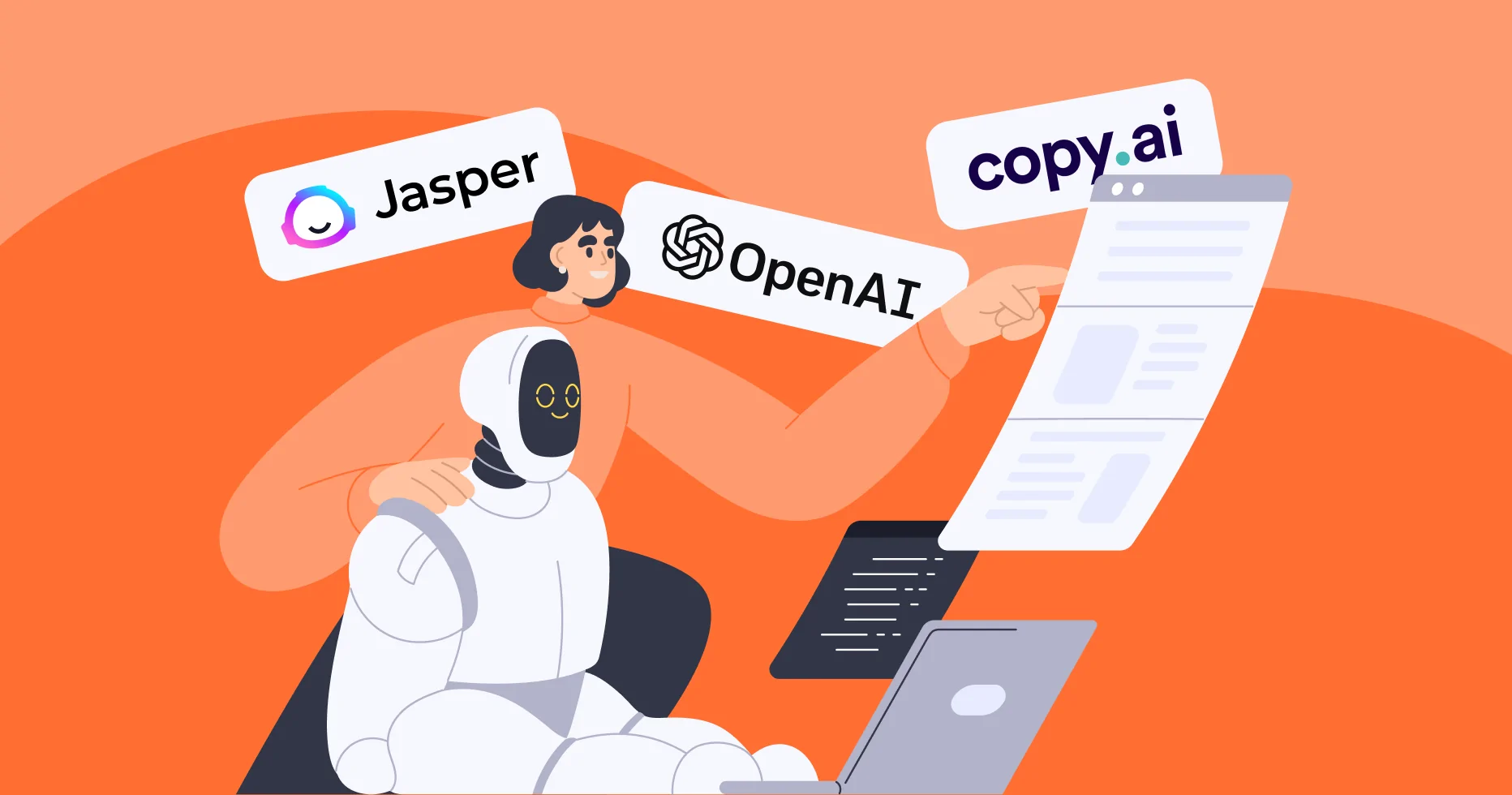
Content creation has changed rapidly in recent years. Businesses, bloggers, marketers, students, and freelancers now need high quality content every day. Writing articles, emails, social media posts, and marketing copy manually can take a lot of time and effort. Because of this, many people now use AI writing tools to make content creation easier, faster, and more efficient.
AI writing tools help users generate ideas, improve grammar, create outlines, and write complete drafts within minutes. These tools are designed to support both beginners and experienced writers. Instead of staring at a blank page for hours, users can quickly create useful content and focus more on creativity and strategy.
The popularity of AI writing tools continues to grow because they save time and improve productivity. Many businesses use them to manage content marketing campaigns, while students and professionals use them for research and writing support. However, understanding how these tools work and how to use them properly is very important for getting the best results.
What is AI Writing Tools?
AI writing tools are software programs that use artificial intelligence to help users create written content. These tools analyze language patterns, sentence structure, grammar, and context to generate readable and meaningful text.
Modern AI writing tools can produce different types of content, including blog posts, product descriptions, emails, advertisements, captions, and reports. Some tools also offer grammar correction, plagiarism checking, tone adjustment, keyword optimization, and content rewriting features.
These tools are designed to make writing easier for people with different skill levels. Beginners can use them to organize ideas and improve sentence quality, while experienced writers can use them to speed up their workflow and improve productivity.
Most AI writing tools work through simple prompts. Users provide a topic or instruction, and the tool generates content based on the information given. The quality of the output often depends on how clear and detailed the prompt is.
Although AI writing tools are powerful, they are not perfect. Human editing is still necessary to ensure accuracy, originality, and emotional connection. The best results usually come from combining artificial intelligence with human creativity and critical thinking.
Why is AI Writing Tools Important?
AI writing tools have become important because content demand has increased significantly. Businesses need regular blog posts, advertisements, newsletters, and social media content to stay competitive online. Producing large amounts of quality content manually can be difficult and expensive.
One major reason these tools are important is speed. Writers can create drafts in minutes instead of spending several hours on research and formatting. This allows teams to focus on editing, strategy, and audience engagement.
Another important benefit is consistency. AI writing tools help maintain a consistent tone and writing style across different types of content. This is especially useful for businesses that want to strengthen their brand identity.
These tools also support search engine optimization. Many platforms suggest keywords, headings, and readability improvements that help articles rank better in search engines. As a result, businesses can attract more visitors and improve online visibility.
AI writing tools are also valuable for non native English speakers. They help improve grammar, vocabulary, and sentence structure, making professional communication easier and more accessible.
Detailed Step by Step Guide
Step 1: Define Your Content Goal
Before using AI writing tools, identify your purpose clearly. Decide whether you want to create a blog post, advertisement, social media caption, email, or product description.
A clear goal helps the tool generate more accurate and useful content. For example, a blog article requires detailed explanations, while an advertisement needs short and persuasive language.
Step 2: Choose the Right AI Writing Tool
Different AI writing tools serve different purposes. Some focus on blog writing, while others specialize in marketing copy, grammar correction, or social media content.
When choosing a tool, consider factors such as ease of use, pricing, language support, customization options, and content quality. Beginners should start with simple platforms that offer templates and guidance.
Step 3: Create a Clear Prompt
The quality of generated content depends heavily on the prompt. A detailed prompt provides better direction and context.
Instead of writing a vague instruction like “write about marketing,” provide a more specific request such as “write a beginner friendly article about digital marketing strategies for small businesses.”
Clear prompts usually produce more accurate and relevant results.
Step 4: Generate the First Draft
Once your prompt is ready, allow the AI writing tool to create the initial draft. Read the generated content carefully instead of publishing it immediately.
The first draft often requires improvements in tone, structure, examples, and factual accuracy. Treat the output as a starting point rather than a finished product.
Step 5: Edit and Personalize the Content
Editing is one of the most important steps. Add personal insights, real examples, and unique opinions to make the content more engaging and trustworthy.
You should also check grammar, readability, and sentence flow. Removing repetitive phrases and improving transitions can significantly improve the final quality.
Step 6: Optimize for SEO
SEO optimization helps content rank better in search engines. Use your primary keyword naturally in headings, introductions, and important sections.
You should also include secondary keywords, readable subheadings, and concise paragraphs. Avoid keyword stuffing because it can reduce readability and search engine performance.
Step 7: Check for Originality
Even though AI writing tools create new content, plagiarism checking is still important. Review the article carefully to ensure originality and authenticity.
Adding personal experiences and unique viewpoints can make your content stand out from competitors.
Step 8: Publish and Monitor Performance
After editing and proofreading, publish your content on your website, blog, or social media platform.
Track performance metrics such as page views, engagement, bounce rate, and conversions. These insights help improve future content strategies and prompt quality.
Benefits of AI Writing Tools

AI writing tools offer many advantages for individuals and businesses. Some of the most important benefits include:
- Faster content creation for blogs, emails, and marketing campaigns
- Improved productivity and workflow efficiency
- Better grammar, spelling, and sentence structure
- Support for brainstorming and idea generation
- Easier SEO optimization for online visibility
- Reduced writing stress and creative fatigue
- Consistent writing style across different content formats
- Useful support for non native English speakers
- Ability to generate content at scale
- Time savings for freelancers and content teams
These benefits explain why AI writing tools are becoming increasingly popular in digital marketing, education, and business communication.
Disadvantages and Risks
Although AI writing tools are useful, they also come with certain disadvantages and risks that users should understand.
- Generated content may contain factual mistakes or outdated information
- Some articles can sound repetitive or unnatural without editing
- Overreliance on automation may reduce creativity
- Poor prompts can produce weak or irrelevant results
- Certain tools may create generic content lacking originality
- Sensitive topics may require expert human review
- Excessive automation can damage brand authenticity
- Some premium tools are expensive for beginners
- Privacy concerns may exist when sharing confidential information
- Search engines may penalize low quality automated content
Understanding these risks helps users apply AI writing tools responsibly and effectively.
Common Mistakes to Avoid
Many beginners make avoidable mistakes when using AI writing tools. Recognizing these issues can improve content quality significantly.
One common mistake is publishing content without editing. AI generated drafts often need corrections, examples, and personalization. Skipping the editing process can reduce trust and readability.
Another mistake is using vague prompts. Short instructions usually produce weak or confusing results. Detailed prompts create better structure and more accurate information.
Keyword stuffing is another serious issue. Some users repeat keywords excessively in an attempt to improve SEO rankings. This practice harms readability and may negatively affect search engine performance.
Ignoring fact checking can also create problems. AI writing tools sometimes generate incorrect statistics, names, or explanations. Always verify important information before publishing.
Many users also forget to maintain their brand voice. Even though AI writing tools can imitate writing styles, human review is necessary to ensure consistency and authenticity.
FAQs
What are AI writing tools used for?
AI writing tools are used for creating blog posts, marketing copy, emails, social media captions, product descriptions, and many other forms of written content. They help users save time and improve productivity.
Are AI writing tools suitable for beginners?
Yes, most AI writing tools are beginner friendly. Many platforms provide templates, suggestions, and easy interfaces that simplify the writing process for new users.
Can AI writing tools replace human writers?
AI writing tools can support writers and speed up content creation, but they cannot fully replace human creativity, emotional understanding, and critical thinking.
Do AI writing tools improve SEO?
Many AI writing tools include SEO features such as keyword suggestions, readability analysis, and heading optimization. These features can help improve search engine visibility when used correctly.
Is AI generated content original?
Most AI writing tools generate unique content, but plagiarism checking is still recommended. Human editing also helps create more authentic and personalized articles.
Are AI writing tools expensive?
Some AI writing tools offer free versions with limited features, while premium plans provide advanced capabilities. Pricing varies depending on the platform and features offered.
Can businesses use AI writing tools safely?
Yes, businesses can use AI writing tools safely when they combine automation with human review, fact checking, and quality control processes.
Expert Tips and Bonus Points
To get the best results from AI writing tools, focus on creating detailed prompts. Clear instructions help generate more accurate and useful content.
Always edit generated text carefully before publishing. Adding examples, personal insights, and industry knowledge improves credibility and reader engagement.
Use AI writing tools as assistants rather than complete replacements for human writers. Combining automation with creativity usually produces the strongest results.
Experiment with different prompts and writing styles. Testing multiple approaches can help you discover what works best for your audience and goals.
It is also helpful to study your analytics regularly. Understanding which content performs well can improve future content planning and optimization strategies.
Another valuable tip is maintaining a consistent brand voice. Even when using automation, your content should reflect your business personality and communication style.
Conclusion
AI writing tools are transforming the way people create content online. From blog articles and marketing campaigns to emails and social media posts, these tools help users produce content faster and more efficiently. Their growing popularity shows how valuable automation has become in modern communication and digital marketing.
One of the biggest strengths of AI writing tools is their ability to save time while improving productivity. Beginners can use them to organize ideas and improve writing quality, while experienced professionals can scale content production more effectively. Features like grammar correction, SEO support, and idea generation make these tools highly practical for different industries.
However, successful content creation still requires human involvement. Editing, fact checking, and adding personal insights are essential for maintaining originality and trust. Relying completely on automation can lead to repetitive or low quality content that lacks emotional connection.
