

Introduction
Smart home devices are transforming the way people live by making everyday tasks easier, faster, and more efficient. From controlling lights with your voice to monitoring your home security from your phone, this technology is becoming a major part of modern living. Over the last few years, smart home devices have moved from luxury products to affordable tools that anyone can use.
Today, people want convenience, safety, and energy savings in their homes. That is exactly what smart home devices offer. These devices connect through the internet and allow users to control appliances, lighting, security systems, and even kitchen gadgets remotely. Whether you are a beginner or already familiar with home automation, understanding how these systems work can help you make smarter decisions for your home.
In this detailed guide, you will learn everything about smart home devices, including their importance, benefits, setup process, risks, and expert tips. By the end, you will clearly understand how to build a smart home step by step and avoid common mistakes. This article is designed to be simple, practical, and easy to follow so anyone can start their smart home journey without confusion.
What are Smart Home Devices?
Smart home devices are electronic gadgets connected to the internet that can be controlled remotely using smartphones, tablets, or voice assistants. These devices are part of the broader concept of home automation, where different systems in a house communicate with each other to improve comfort and efficiency.
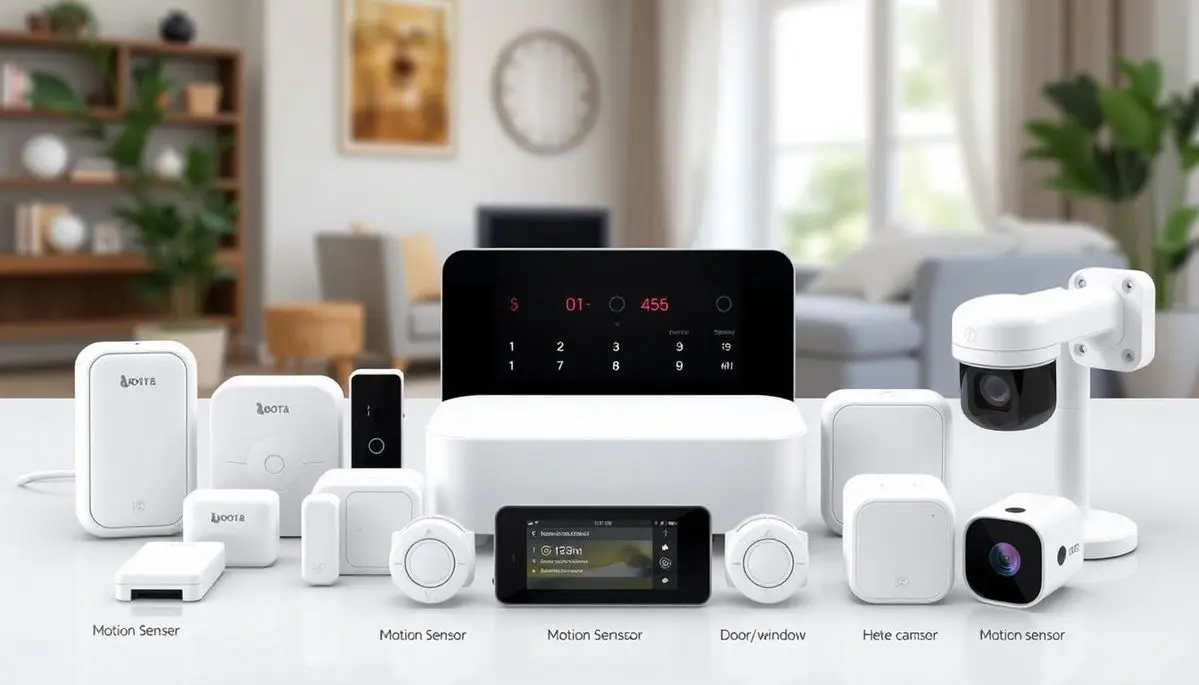
Common examples of smart home devices include smart lights, smart plugs, smart thermostats, security cameras, door locks, and voice assistants like smart speakers. These devices often use technologies such as Wi-Fi, Bluetooth, or Zigbee to connect and function together.
The main purpose of smart home devices is to make life more convenient. Instead of manually switching off lights or adjusting temperature, users can automate these tasks. For example, you can set your lights to turn off automatically at bedtime or control your air conditioner from anywhere in the world.
Another important feature is remote access. Even when you are not at home, you can still monitor and control your home systems. This makes smart home devices highly useful for security and energy management.
Why are Smart Home Devices Important?
Smart home devices are becoming important because they improve comfort, safety, and efficiency in daily life. As technology advances, people are looking for ways to save time and reduce effort, and home automation provides the perfect solution.
One major reason is convenience. With smart home devices, you can control multiple systems from a single app. This reduces the need for manual work and makes everyday tasks smoother.
Another reason is energy efficiency. Smart thermostats and lighting systems help reduce electricity usage by automatically adjusting settings based on your habits. This not only saves money but also supports environmental sustainability.
Security is also a key factor. Smart cameras, motion sensors, and door locks help homeowners monitor their property in real time. You can receive alerts on your phone if something unusual happens.
Additionally, smart home devices improve accessibility for elderly people or individuals with disabilities. Voice commands and automation make it easier for them to manage their environment without physical effort.
Detailed Step-by-Step Guide
Step 1: Identify Your Needs
Before buying any smart home devices, it is important to understand your needs. Decide whether you want better security, energy savings, or convenience. This will help you choose the right devices without overspending.
Step 2: Choose a Smart Ecosystem
Most smart home devices work within ecosystems like Google Home, Amazon Alexa, or Apple HomeKit. Choosing one ecosystem ensures better compatibility between devices.
Step 3: Start with Basic Devices
Beginners should start with simple devices such as smart bulbs, smart plugs, or a smart speaker. These are easy to install and use, making them perfect for learning home automation.
Step 4: Install and Connect Devices
After purchasing, install the devices according to instructions. Download the required app, connect the device to Wi-Fi, and follow setup steps. Most smart home devices have user-friendly installation processes.
Step 5: Create Automation Rules
Automation is the key feature of smart homes. You can set schedules like turning off lights at a specific time or adjusting temperature based on weather conditions.
Step 6: Expand Your System
Once you are comfortable, you can add more advanced devices such as smart cameras, door locks, and sensors. This expands your smart home network and increases efficiency.
Step 7: Maintain and Update
Regularly update device firmware and check connections to ensure smooth performance. Maintenance is important for long-term reliability.
Benefits of Smart Home Devices
Smart home devices offer many advantages that improve modern living.
- Save time by automating daily tasks
- Improve home security with real-time monitoring
- Reduce electricity and utility bills
- Increase comfort and convenience
- Allow remote control from anywhere
- Improve accessibility for elderly and disabled users
- Enhance home value in real estate market
- Provide better control over household systems
These benefits make smart home devices a valuable investment for both small apartments and large houses.
Disadvantages / Risks of Smart Home Devices
Although smart home devices are useful, they also come with some drawbacks.
- High initial cost for advanced systems
- Dependence on internet connection
- Privacy concerns due to data collection
- Possible hacking risks if not secured properly
- Compatibility issues between different brands
- Learning curve for beginners
- Regular updates required for smooth performance
Understanding these risks helps users make better and safer decisions when building a smart home system.
Common Mistakes to Avoid
Many beginners make mistakes when setting up smart home devices. Avoiding these errors can save time and money.
One common mistake is buying too many devices at once. It is better to start small and expand gradually.
Another mistake is ignoring compatibility. Not all devices work together, so always check if they support the same ecosystem.
Weak Wi-Fi is also a major issue. Smart home devices require a stable internet connection, so ensure strong network coverage.
People also forget about security settings. Always use strong passwords and enable two-factor authentication where possible.
FAQs
1. What are smart home devices used for?
Smart home devices are used to automate and control household systems such as lighting, security, temperature, and appliances through smartphones or voice commands.
2. Are smart home devices expensive?
Some devices are affordable like smart bulbs and plugs, while advanced systems like full home security setups can be expensive. It depends on your needs and budget.
3. Do smart home devices work without internet?
Most smart home devices require an internet connection to function properly. However, some basic features may work offline depending on the device.
4. Are smart home devices safe?
Yes, they are generally safe if properly configured. Using strong passwords and secure networks reduces risks of hacking or unauthorized access.
5. Can I install smart home devices myself?
Yes, most smart home devices are designed for easy DIY installation. You usually just need a smartphone app and Wi-Fi connection.
6. Which is the best smart home ecosystem?
Popular ecosystems include Google Home, Amazon Alexa, and Apple HomeKit. The best choice depends on device compatibility and personal preference.
Expert Tips & Bonus Points
Experts recommend starting small and gradually building your smart home system. Do not rush into buying expensive devices without understanding how they work.
Use a strong and stable Wi-Fi network because smart home devices depend heavily on connectivity. A weak network can cause delays and performance issues.
Always read user reviews before purchasing any device. This helps you understand real-world performance.
Group your automation rules logically, such as morning routines, night routines, and security modes. This makes control easier and more organized.
Conclusion
Smart home devices are no longer a luxury but a practical solution for modern living. They help people save time, improve security, and reduce energy consumption. With the right setup, anyone can transform their home into a smart, connected environment.
As technology continues to evolve, smart home devices will become even more advanced and affordable. This means more people will be able to enjoy the benefits of automation in their daily lives.
Whether you are starting with a single smart bulb or planning a full home automation system, the key is to begin step by step. Understanding your needs, choosing the right ecosystem, and avoiding common mistakes will ensure a smooth experience.
